

All services


Leave your data
We will contact you within 5 minutes
Which is better — braces or aligners?
What to choose — braces or aligners? We compare efficiency, comfort, cost and aesthetics to help you make the right decision.
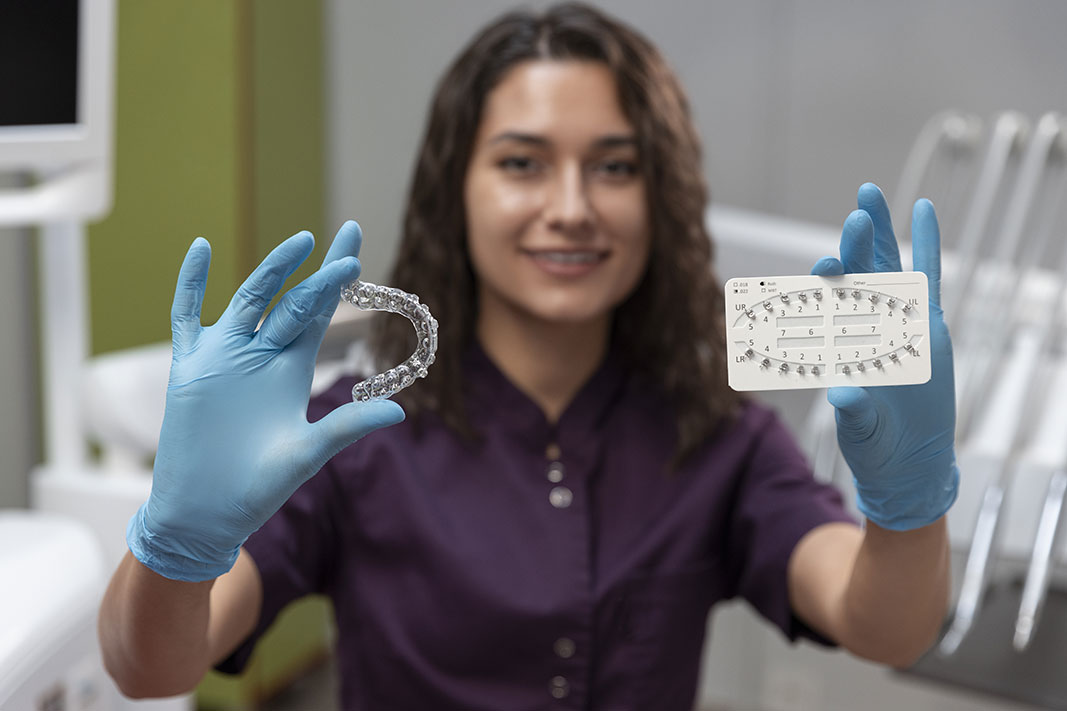
When it comes to orthodontic correction, the most common treatments remain braces or aligners. Both designs effectively correct the bite, eliminate irregularities in the dentition and help to achieve a harmonious smile. At the same time, it is important to remember that the choice of orthodontic system is not a matter of personal preferences of the patient, but a responsible and balanced decision of the orthodontist. After all, violations of the dental-jaw system affect not only aesthetics, but also the functioning of the musculoskeletal system as a whole.
How do transparent aligners work?
Aliners— it is an individually made orthodontic cleat made of transparent polymer material with hypoallergenic properties. They cover the dentition as tightly as possible, exert soft and controlled pressure, gradually changing the position of the teeth. The aligners are always installed on both jaws and change every 1-2 weeks. To do this, the patient receives a set of caps, where each subsequent differs from the previous one by a fraction of a millimeter.
The duration of treatment with aligners is determined individually and depends on the complexity of the clinical case, the age of the patient and the recommendations of the orthodontist. On average, the course of correction is from 12 to 24 months. An important factor in achieving the desired result is the regime of wearing the aligners: 20-22 hours a day, removing only for hygienic procedures and during meals.
The principle of operation of the bracket system
Brackets— this is a non-removable orthodontic structure, which consists of “locks” and arches. They exert a slight but controlled pressure on the teeth, gradually shifting them in the right direction. Each brace is fixed on the surface of the tooth with a special medical glue. The securely fixed elements are connected by a thin metal arc, which sets the required direction and force of tooth movement.
On average, treatment with a brace system is from 1 to 2 years. The exact term depends on the complexity of the bite anomaly and the individual reaction of the body to orthodontic intervention. Since braces are a non-removable structure, they act around the clock, providing a continuous therapeutic effect.
Which is better — aligners or braces?
Both aligners and braces have proven effectiveness in correcting bite and aligning teeth. At the same time, each system has its advantages and limitations. Orthodontists of the Symmetrica Dental Center have made an expert comparison of the main factors that will help to understand the differences between these treatments.
1. Aesthetics
The aligners are made of ultra-thin transparent plastic, so the bite correction is almost imperceptible to others. Braces, even ceramic or sapphire, are more noticeable.
2. Comfort
The aligners are completely smooth, do not cause speech defects and only take a few days to get used to. The bracket system requires a longer period to adapt, initially provokes slight changes in diction, and in a few weeks the patient gets used to the design.
3. Effectiveness
Aligners are used in cases of minor and moderate violations, perfectly coping with moderate deformations. In difficult clinical situations, orthodontic treatment with braces is recommended.
4. Hygiene
Transparent caps should be removed when brushing your teeth and eating, rinse them with running cool water before putting on. Patients with braces for dental care need to use a special brush, brushes, if possible - an irrigator, to completely remove plaque.
5. Diet
The use of aligners does not affect the change of diet, but you should avoid the use of hot and colored drinks that change the aesthetics of transparent caps. With braces, it is important to follow the rules: give up hard, sticky and crunchy foods that can lead to a violation of the integrity of the orthodontic structure.
Diagnosis as a key decision factor
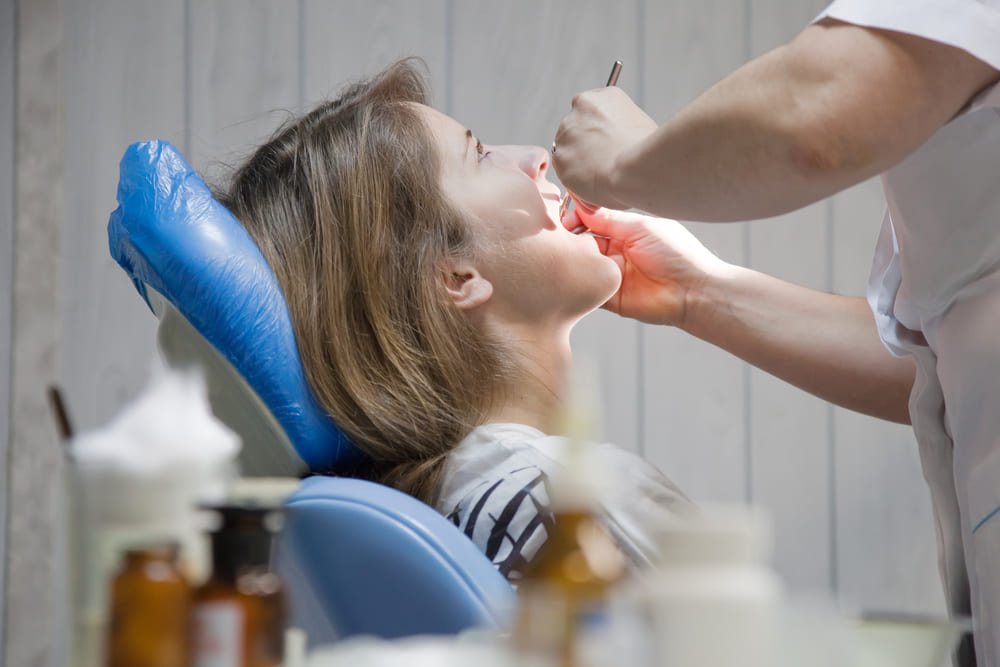
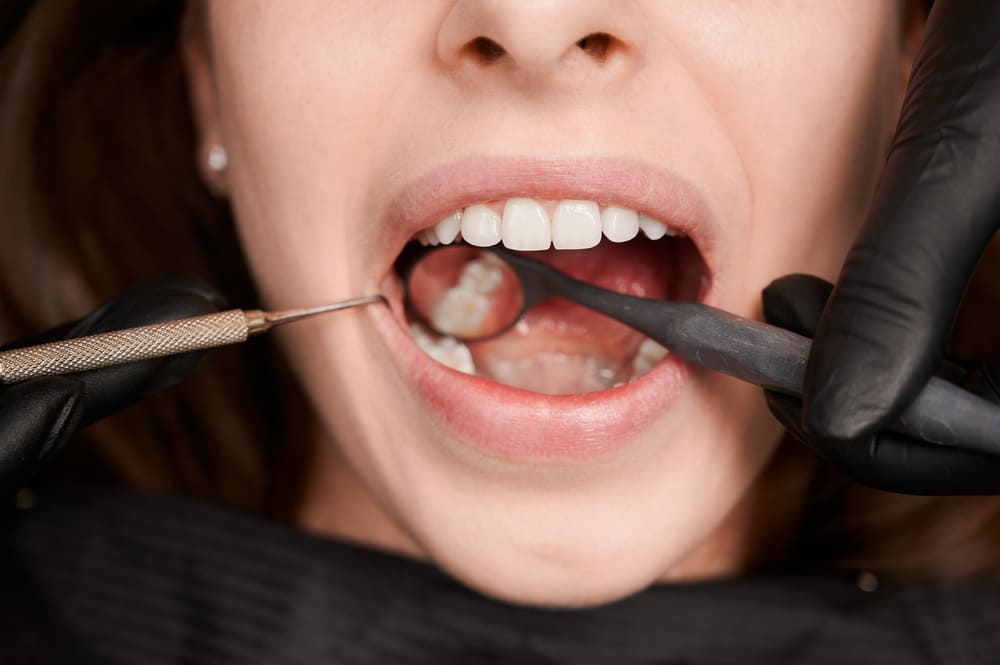
Orthodontic correction is a process in which diagnosis plays an important role. Without a detailed examination, no single treatment is possible, and the installation of braces and aligners is no exception. The doctor first needs to correctly determine the existing pathologies, and only then decide on the type of orthodontic structure that will help in solving the problem.
Comprehensive diagnostics consists of the following procedures:
- clinical examination of the oral cavity and collection of anamnesis;
- X-ray examination to evaluate bone tissue, tooth roots, jaw joints;
- photo protocol to document the initial state of the smile;
- 3D scanning to create a digital treatment plan.
The results of deep diagnostics help:
- make an accurate diagnosis;
- draw up an individual treatment plan;
- determine the optimal variant of the orthodontic system (aligners or braces);
- predict the timing of correction;
- demonstrate to the patient the appearance of the future smile in digital format.
In Symmetrica, diagnostics is carried out using modern medical technologies, which will allow you to quickly assess the condition of individual teeth and the interaction of the entire dental-jaw system. The clinic has everything necessary for the patient to undergo a comprehensive examination in one visit, which allows you to save time and immediately get a clear treatment plan.
Traditional orthodontics vs. Symmetrica approach
The bite, the position of the teeth and the work of the jaw are closely related to the musculoskeletal system, facial muscles and even posture. Therefore, in Symmetrica, the orthodontic treatment of pathology of the dental-jaw system is not considered in isolation from the whole organism. Specialists of our dental restoration center use an innovative approach that combines:
- orthodontic treatment with braces or aligners — the basic basis for correction of bite and harmonization of smile;
- cosmetic and physiotherapeutic procedures, in particular microcurrent therapy, which accelerates adaptation to orthodontic structures;
- work with the body using special techniques aimed at correcting muscle imbalances, improving posture and ensuring harmonious interaction of the jaw with the entire musculoskeletal system.
The Symmetrica approach is our key difference! As a result, the patient receives not only the dream smile, but also a comprehensive restoration of the harmony of the face and body.
Which is better — braces or aligners? There is no unequivocal answer, because the choice depends on the complexity of the deformation, the state of the dentition system, the characteristics of bone tissue and even on the patient's lifestyle.
For some, the best solution would be braces, for others - transparent caps. After all, what works perfectly for one person may turn out to be less effective for another.
That is why the choice should be made not by the patient, but by an experienced orthodontist after a comprehensive diagnosis. At Symmetrica Clinic, we conduct a detailed examination and develop an individual treatment plan so that the result is aesthetic and promotes harmony and health of the whole body.


BOOK YOUR CONSULTATION
Submit your request and expect a call within 5 minutes

A specialist from the Symmetrica Medical Group care center will contact you and provide all the necessary information

Thank you, your request has been sent successfully
Oops! Something went wrong while submitting the form.


