

All services


Leave your data
We will contact you within 5 minutes
Pulpitis: what it is, symptoms, and treatment
What is dental pulpitis and how can you spot it? Learn about the main symptoms, causes, and effective treatment methods to keep your teeth healthy.
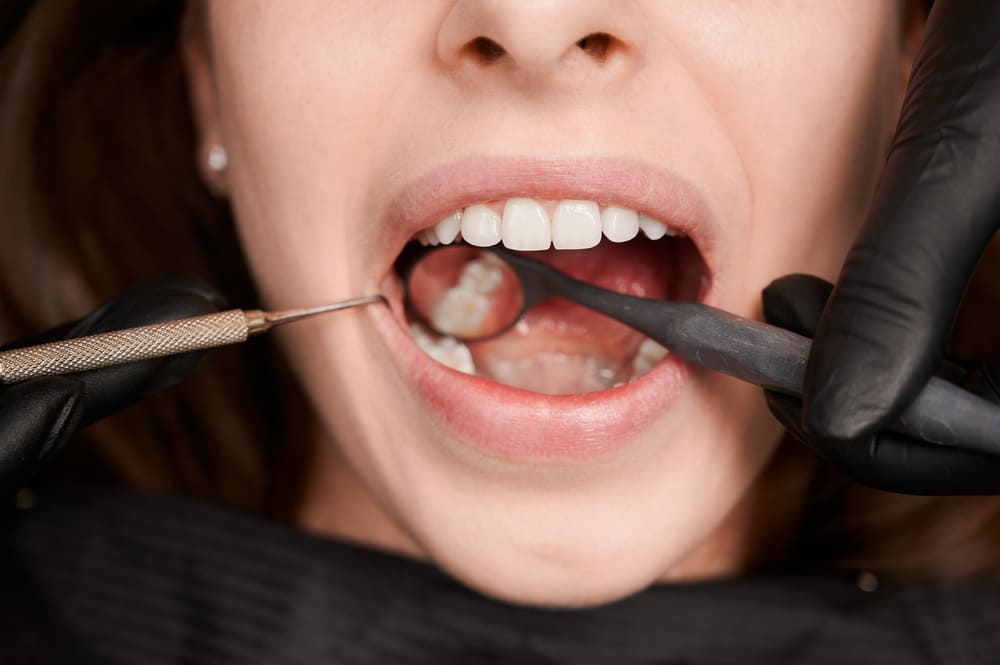
Pulpitis doesn't happen overnight; your body usually signals a problem beforehand. Early signs often include increased sensitivity to hot and cold or intermittent discomfort, which patients frequently ignore. However, pulp inflammation is one of the most common causes of acute toothache, and pulpitis is the primary reason people visit the dentist. How can you recognize the condition in time? In this article, we explore what pulpitis is, why it occurs, the symptoms to watch for, and the modern treatments used to address it.
What is dental pulpitis?
Pulpitis is the inflammation of the tooth's soft inner tissue, known as the pulp, which contains the nerves and blood vessels responsible for nourishment and sensitivity. Statistically, this condition most often develops when bacteria from a deep cavity penetrate the tooth and reach the pulp.
Pulpitis can be acute or chronic and is accompanied by pain as well as increased sensitivity to hot and cold. If left untreated, the infection can spread beyond the affected tooth, leading to serious dental complications. This is why it is important to understand what pulpitis is so you can see a dentist at the very first sign of trouble.
Pulpitis: Causes of inflammation
- Cavities. As tooth decay progresses, bacteria penetrate through the damaged layers of enamel and dentin into the pulp, triggering inflammation.
- Trauma. Impacts or injuries, even those that seem minor, can compromise the integrity of the tooth and expose the pulp.
- Thermal damage. Overheating tooth tissue during dental procedures or sudden temperature changes—such as eating something very cold immediately after something hot—can damage the pulp and cause inflammation.
- Chemical irritation. Contact between the soft tissues of the tooth and aggressive chemicals used during dental treatments can sometimes lead to pulpitis.
- Systemic infections. In some cases, pulpitis develops as a complication of other infections in the body, where bacteria reach the tooth tissue via the bloodstream or lymphatic system. This typically occurs when the immune system is weakened.
Symptoms of pulpitis: how to recognize the condition
It is a misconception that pain is the only indicator of pulpitis. The condition has other signs that you should pay attention to. Notably, the symptoms differ slightly between the acute and chronic forms of the disease.
- Severe, throbbing pain. This often starts suddenly and typically intensifies at night. The pain frequently radiates to the temple, ear, or adjacent teeth.
- Increased sensitivity to hot and cold. In the early stages, this occurs upon contact with temperature stimuli, but as the inflammation progresses, it may persist even after the stimulus is removed.
- Pain while chewing. Inflamed tissues become more sensitive to mechanical pressure, making it difficult for the patient to chew food without experiencing pain.
- Persistent dull ache. Chronic pulpitis is characterized by less intense but constant discomfort that periodically flares up.
- Swollen gums. In some cases, the gums around the affected tooth may appear slightly swollen or red due to the tissue's inflammatory response.
- Bad breath and tooth discoloration. These symptoms may indicate a prolonged inflammatory process and the gradual breakdown of internal tissues.
- General malaise. In advanced cases, the condition is accompanied by fever, weakness, and the spread of infection to surrounding tissues.
Types of pulpitis
In modern dentistry, pulpitis is classified based on its progression and the pulp's ability to recover. Doctors most commonly categorize it into acute and chronic pulpitis, as well as reversible and irreversible forms.
Features of acute and chronic forms of the disease:
- Acute pulpitis is characterized by an active inflammatory process and pronounced symptoms. Patients report sudden, throbbing tooth pain and excessive sensitivity to cold, hot, or sweet stimuli. Discomfort often intensifies at night and may occur without any apparent cause.
- Chronic pulpitis develops when the acute stage is not treated in a timely manner. Symptoms include periodic discomfort, reactions to temperature stimuli, tooth discoloration, or bad breath. Sometimes, the chronic form may persist for a long time with only mild pain or no symptoms at all.
Reversible and irreversible pulpitis have the following characteristics:
- Reversible pulpitis is the initial stage of inflammation, where the pulp can fully recover if treated promptly.
- Irreversible pulpitis is a complex, progressive stage where the pulp undergoes significant structural changes and loses its ability to recover.
How pulpitis is treated: modern methods
Pulpitis treatment in modern dentistry aims to eliminate the inflammatory process, relieve pain, and preserve tooth function. The treatment strategy is determined by the clinical form of the disease, the extent of pulp damage, and the condition of the root canals.
How pulpitis is treated in practice and the stages involved in the procedure:
- Diagnosis. The dentist performs a clinical examination and X-ray imaging to assess the depth of the decay and the condition of the root canals.
- Anesthesia. The use of modern local anesthesia completely eliminates pain during the procedure, making treatment comfortable even in cases of acute inflammation.
- Removal of the affected pulp. After assessing the clinical picture, the dentist determines how to treat the pulpitis in your specific case and which method will be most effective. Depending on the nature and extent of the pathological process, either partial or complete removal of the inflamed pulp is performed.
- Root canal preparation. To eliminate infection and prevent complications, the root canals undergo thorough mechanical and antiseptic cleaning.
- Canal filling. Once cleaned, the canals are filled with specialized materials to restore a hermetic seal and prevent future complications.
- Tooth restoration. After endodontic treatment is complete, the tooth's shape and functionality are restored using a filling, inlay, or crown.
In cases where the pulp is completely removed, the tooth loses some of its strength and becomes more prone to cracks, chips, and fractures. This is why specialists recommend additional orthopedic restoration with an inlay or crown—this helps extend the tooth's lifespan and evenly distribute chewing pressure.
Dental treatment at SYMMETRICA is based on modern endodontic protocols, precise digital diagnostics, and an individualized approach to every clinical case. Our specialists always emphasize that to prevent the development of pulpitis and other dental diseases, it is important to attend regular check-ups and undergo X-ray examinations as recommended by your dentist. Early detection helps avoid complications, preserve more healthy tooth tissue, and makes treatment faster, simpler, and more cost-effective.
If you are experiencing tooth pain or increased sensitivity, do not delay your visit to the dentist—book a consultation at SYMMETRICA.



BOOK YOUR CONSULTATION
Submit your request and expect a call within 5 minutes

A specialist from the Symmetrica Medical Group care center will contact you and provide all the necessary information

Thank you, your request has been sent successfully
Oops! Something went wrong while submitting the form.


