

All services


Leave your data
We will contact you within 5 minutes
Sleep and teeth: what a dentist sees before a sleep doctor does
Morning fatigue, worn enamel, snoring: a Symmetrica dentist uses the Health Code protocol to spot signs of bruxism and sleep apnea and fits BioSleeper.
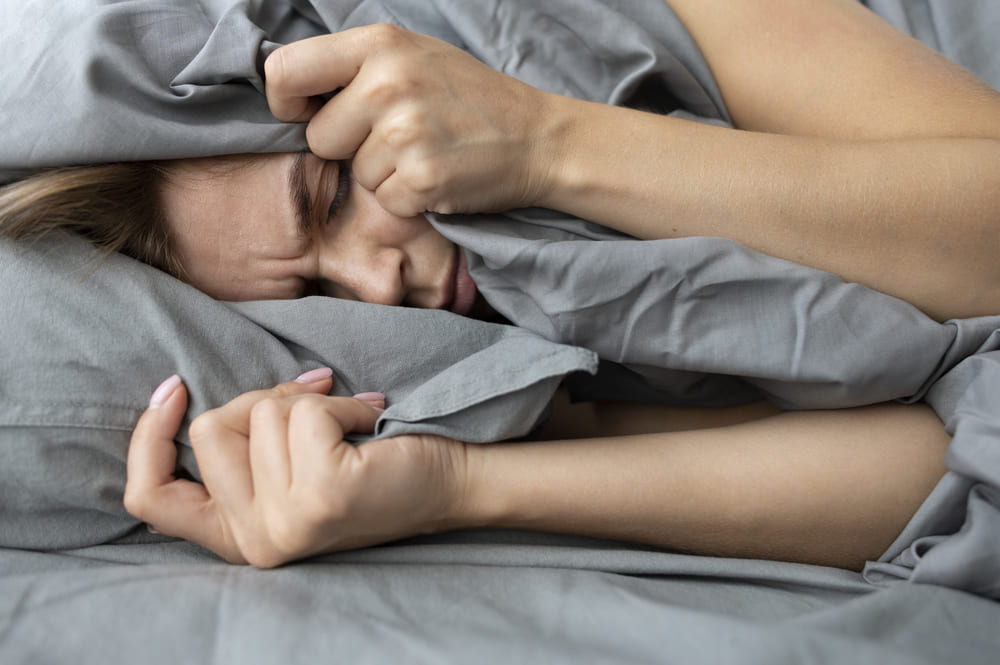
You can spend months blaming morning fatigue, headaches or a “heavy jaw” on ordinary stress. Meanwhile, the first and most accurate signs that something is wrong with your sleep are often found not in a wellbeing diary but literally in your mouth: on tooth enamel, in the tone of the chewing muscles, in the shape of the palate. That is why at Symmetrica, the Dental Restoration Center, an examination of the teeth and jaw is not about “treat and send home”. It is part of the broader Health Code protocol, which looks at the mouth as a source of data about the whole body. Sleep is one of the most important sections of this protocol.
Stress, bruxism, apnea: three signals visible at the appointment
Chronic stress keeps the nervous system in “fight or flight” mode even at night: elevated sympathetic tone prevents the body from entering the deep stages of sleep, where physical recovery and hormonal regulation take place. One of the first physical traces of this is increased tone of the chewing muscles, morning pain in the temples and a feeling of “clenched teeth”.
Next comes bruxism, the involuntary grinding and clenching of teeth during sleep. According to systematic reviews of the dental literature, the prevalence of sleep bruxism in adults is estimated at roughly 8% to over 30%, depending on the population and diagnostic method, and awake bruxism is recorded even more often. The problem is that patients usually don’t know about it: the first signs, such as enamel wear, cracked restorations and morning pain in the temporomandibular joint, are noticed by the dentist during a routine checkup.
The third and most serious signal is obstructive sleep apnea (OSA), when breathing literally stops during sleep for seconds or even minutes. Estimates based on a large-scale analysis of global data (the study by Benjafield et al., Lancet Respiratory Medicine) suggest that about a billion adults worldwide may have signs of OSA of varying severity, and at least 425 million cases are moderate to severe and require treatment.
Between 80% and 90% of OSA cases worldwide remain undiagnosed. A person can live for years with nighttime breathing pauses, blaming daytime fatigue, irritability or poor concentration on “just not enough sleep”.
In the US, economic losses from undiagnosed and untreated sleep apnea are estimated at over 149 billion dollars a year: the cost of reduced productivity, road accidents and related diseases. Fragmented, shallow sleep, whatever its cause, is consistently linked to increased cardiovascular risk, impaired glucose metabolism and reduced cognitive function.
Health Code: why your dentist asks about sleep
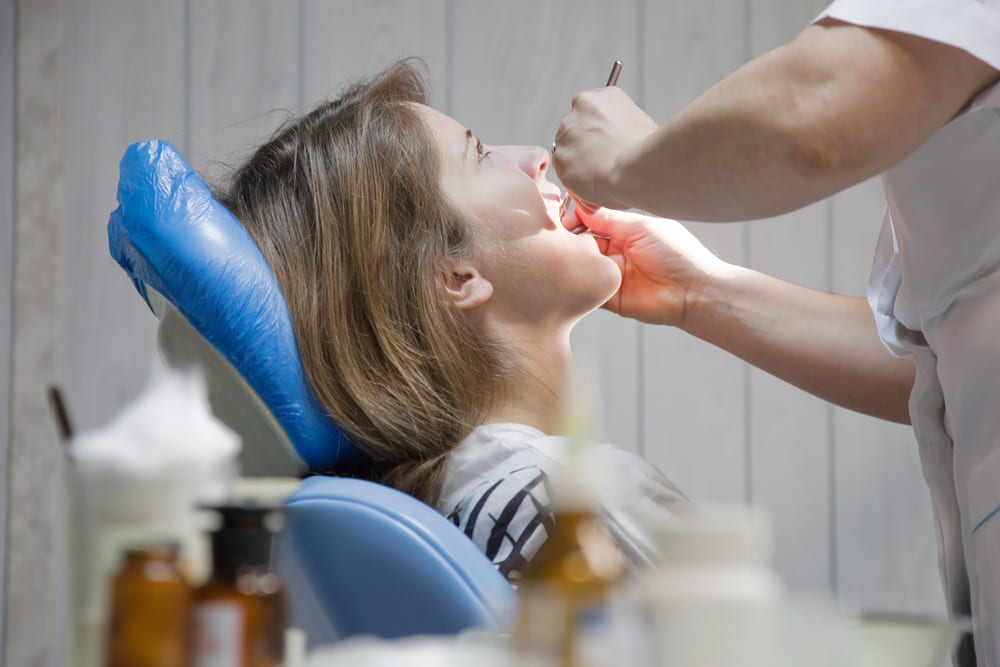
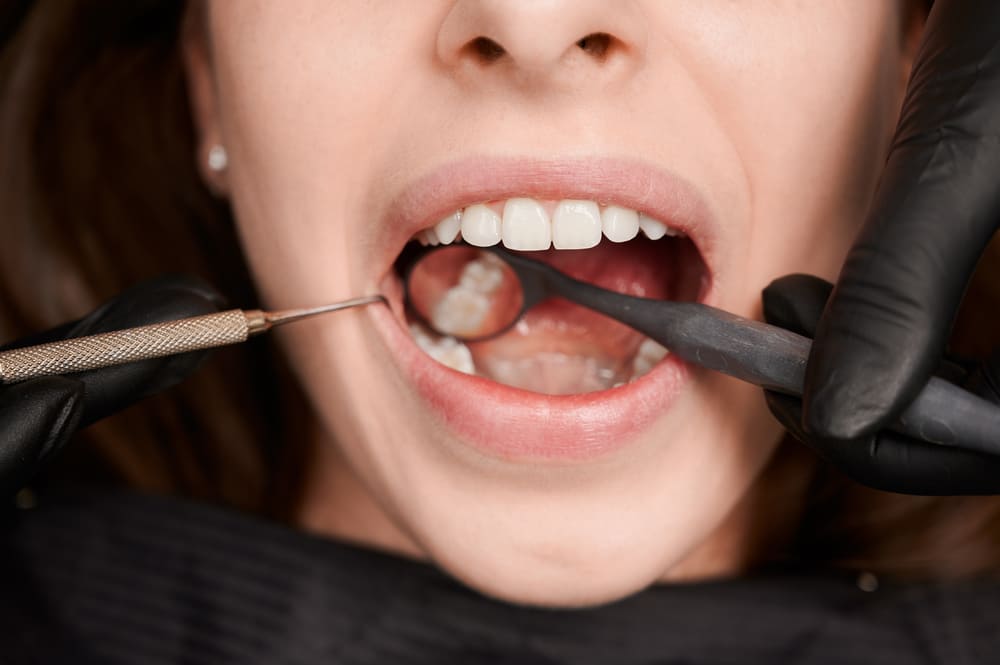
In the classic approach, the dentist treats the tooth that hurts. In the Health Code logic, the examination works differently: tooth wear, bite marks on the cheeks and tongue, a “scalloped” tongue, a narrow palate or enlarged tonsils are treated as diagnostic markers, indirect signs that may indicate an increased risk of bruxism or airway obstruction during sleep.
Patients visit the dentist more often and more regularly than any other doctor, usually every six months. This makes the dental office one of the best points for early detection of sleep disorders in the entire healthcare system. Within Health Code, the Symmetrica team does not diagnose OSA on its own (that is the role of a sleep specialist, based on polysomnography). The task is to recognize the “red flags” in time and either refer the patient for further diagnostics or offer a solution right away when it comes to bruxism or snoring without signs of severe apnea.
What has changed in treatment: from a mask to a custom device
Until recently, the main treatment for sleep apnea was CPAP therapy, a machine that delivers pressurized air through a mask. The method is effective, but adherence has historically been low: 30% to 50% of users stop therapy within the first one to three years, and 46% to 83% don’t reach even the minimum threshold of four hours of use per night.
This gap between effectiveness and real willingness to use the method opened the market for intraoral MAD devices (mandibular advancement devices). They move the lower jaw forward, mechanically widening the upper airway. According to market analysts at IMARC Group, the global market for these devices is estimated at about 822 million dollars in 2025 and is forecast to exceed 1.6 billion dollars by 2034, with a compound annual growth rate of about 7.75%. Adherence studies explain why: oral appliances show 77–90% adherence during the first year, compared with 50–60% for CPAP, and average nightly use is 6.5–7 hours versus about 4.5 hours with a mask.
The solution Symmetrica offers: BioSleeper
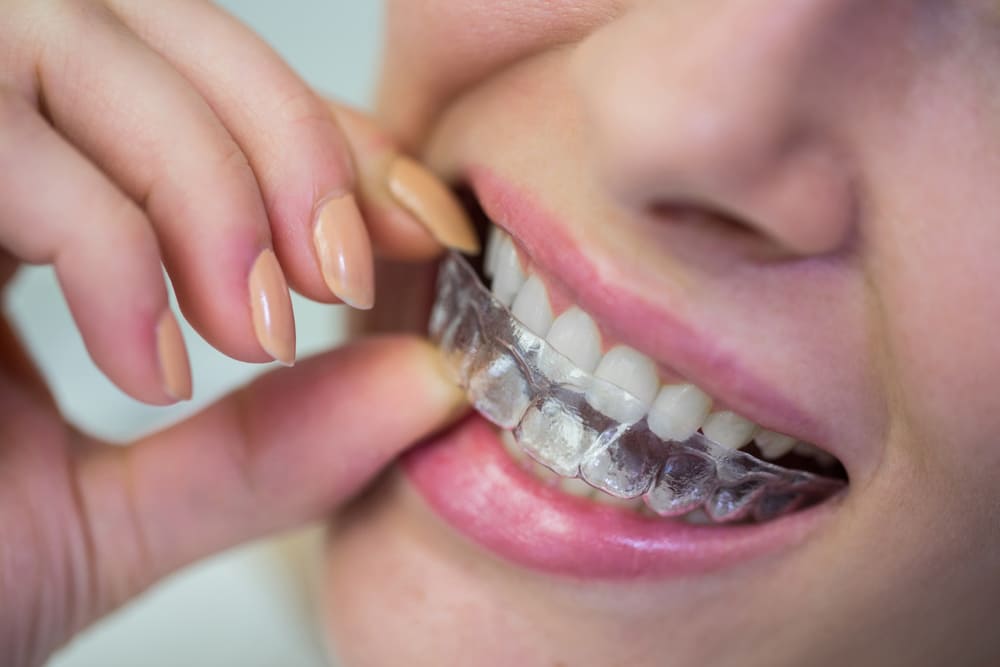
Within Health Code, for patients with bruxism, snoring and mild sleep quality issues, the Symmetrica team fits BioSleeper, a custom MAD device of its own design (patented in Ukraine), the first and so far the only device of its class on the Ukrainian market. Unlike standardized “one size fits all” mouthguards, BioSleeper is made for the anatomy of each patient: it is based on 3D scanning of the dental arch and bite, complemented by analysis of facial photos to assess facial muscle tone.
According to the developers, the position of the jaw and teeth in the device is designed so that when the jaws close, it sends a relaxation signal through the trigeminal nerve, shifting the nervous system from sympathetic mode into parasympathetic recovery mode, while widening the airway by changing the position of the lower jaw and tongue. The device comes in two versions: a night version that relieves muscle tension built up during the day, and a day version that prevents it from building up. According to the manufacturer, most users report better subjective sleep quality and fewer signs of bruxism and snoring within the first months of use. These observations were collected by the manufacturer itself and are not yet the result of independent randomized clinical trials, so Symmetrica presents them as user experience, not as a substitute for full diagnostics.
An important caveat that the Symmetrica team always discusses at the consultation: BioSleeper and MAD devices in general are a solution for relieving snoring, bruxism and mild to moderate sleep-disordered breathing. If moderate or severe OSA is suspected, the first step should be full diagnostics, polysomnography with a sleep specialist, and only then, together with the dentist, is the optimal therapy format chosen.
What to do if you recognize yourself
Morning fatigue, worn teeth, a partner complaining about snoring, tension headaches: these are reasons not to wait for it to “go away on its own”, but to come in for diagnostics under the Health Code protocol. A Symmetrica dentist will assess your teeth and jaw, look for indirect signs of sleep disorders and suggest the next step, from a custom BioSleeper fitting to a referral to a sleep specialist.
You can book a Health Code diagnostic appointment via the link on symmetrica.ua or by calling the clinic.
Sources: Benjafield A.V. et al., Lancet Respiratory Medicine (global OSA prevalence estimate); IMARC Group, MAD device market; data and materials from DORMEZA / biosleeper.com.
BOOK YOUR CONSULTATION
Submit your request and expect a call within 5 minutes

A specialist from the Symmetrica Medical Group care center will contact you and provide all the necessary information

Thank you, your request has been sent successfully
Oops! Something went wrong while submitting the form.


