

All services


Leave your data
We will contact you within 5 minutes
Microneedling at Symmetrica
Skin renewal, treatment of post-acne, texture improvement, and addressing signs of aging through the skin's natural recovery processes.
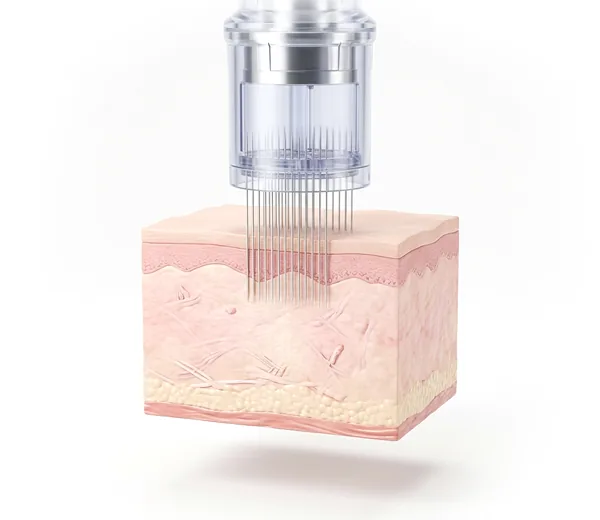
Microneedling creates controlled micro-channels in the skin, triggering a natural response to micro-injuries and initiating tissue remodeling processes.
At Symmetrica, we don't use a one-size-fits-all approach. Your specialist selects the depth, intensity, number of passes, and active complex based on your skin's condition and specific goals.
book a consultation
1
Post-acne treatment
Helps to gradually smooth out atrophic scars and improve skin texture.
2
Collagen stimulation
Micro-injuries trigger natural repair and remodeling processes.
3
Customized depth
The intensity of the procedure is tailored to the specific area and goal.
4
Active complex
A sterile professional formula is selected based on your skin's specific needs.
When to consider microneedling
Not every skin concern can be corrected with topical skincare alone. When the goal goes beyond simple hydration or a fresher look to gradually restructuring the skin's texture, microneedling is an option to consider.
The procedure is used to address:

atrophic post-acne marks;
uneven skin texture;
visible pores;
fine lines;
loss of elasticity;
dullness;
uneven skin tone;
signs of skin aging.
Microneedling is particularly interesting because the results don't end when the procedure does. After the session, the skin continues to recover, and remodeling processes unfold gradually.
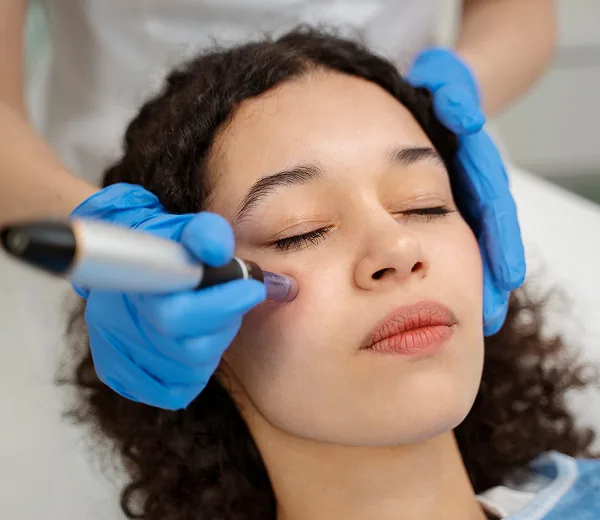
What skin concerns does microneedling address?
Post-acne
Gradual improvement of atrophic scars and uneven skin surface.
Texture
The skin can become smoother and more even.
Pores
As skin texture improves, pores may appear less visible.
Firmness
Tissue remodeling supports skin density and elasticity.
Fine lines
The procedure can help reduce the appearance of superficial signs of aging.
Tone and radiance
Depending on the protocol, microneedling can be used to address dullness and uneven skin tone.
The most well-researched aesthetic application of microneedling remains the treatment of atrophic post-acne scars. There is also clinical data supporting its use for rejuvenation, specifically regarding wrinkles, texture, and other skin quality parameters.
The procedure ends. Skin renewal does not.
Microneedling does not work by providing an instant cosmetic effect.
Sterile micro-needles create controlled micro-injuries. For the skin, this is a signal to trigger its natural healing response and recovery processes.
Following this, the extracellular matrix gradually remodels and new collagen is formed. This is why improvements in texture, density, and elasticity continue to develop not just on the day of the procedure, but over the following weeks.
Step 1
Micro-stimulation
A sterile cartridge creates controlled micro-channels.
Step 2
A signal for recovery
The skin triggers a natural response to micro-injuries.
Step 3
Remodeling
Processes related to collagen formation and the extracellular matrix are activated.
Step 4
Gradual results
Skin texture, density, and appearance are transformed.
It is not just about punctures
The results of microneedling depend on more than just the use of needles.
The procedure takes into account: depth – intensity – area – skin condition – sterility – cartridge – active complex – post-procedure recovery.
That is why the same procedure for someone with post-acne marks and a patient addressing early signs of aging simply does not make sense.
At Symmetrica, your protocol is created after a skin assessment and may vary even between different areas of the same face.
Different goals, different active complexes
Dryness and dehydration
Goal: to support skin hydration and comfort.
The protocol may use hyaluronic acid, panthenol, amino acids, and other components to hydrate and support the skin barrier.
Dullness and uneven tone
Goal: to support a fresher and more even skin appearance.
Formulas containing antioxidants, amino acids, peptides, hyaluronic acid, and appropriate forms of vitamins may be selected.
Post-acne and uneven texture
Goal: to improve skin texture and support recovery.
In the absence of active inflammation, the protocol may include niacinamide, amino acids, hyaluronic acid, and restorative components.
Signs of aging
Goal: to support density, elasticity, hydration, and recovery.
Complexes containing hyaluronic acid, amino acids, peptides, and antioxidants may be used.
Sensitive skin
Goal: to achieve the desired effect without excessive trauma.
A specialist assesses the condition of the protective barrier and selects the depth individually. If the skin is in an active reactive state, it is better to postpone the procedure until it stabilizes.
The role of amino acids in the complex
Amino acids are components of the natural moisturizing factor and participate in many skin processes.
However, the primary stimulus for remodeling during the procedure is the microneedling itself. Amino acid complexes are used as part of professional care and are selected based on the specific goal.
Microneedling with exosomes
Exosomes are extracellular vesicles involved in cell-to-cell signaling. In cosmetology, the use of topical products based on exosomes or other extracellular vesicles following microneedling is currently being researched.
Initial clinical studies of the combination of microneedling with exosome products describe improvements in hydration, texture, elasticity, pigmentation, and other indicators.
* The exosome complex does not replace microneedling but can be an additional part of an individual protocol.
Find out if you need exosomes
What matters to Symmetrica
We evaluate:
origin of the product;
composition and production technology;
quality control;
purpose of the specific formula;
method of application;
available safety data.
How the procedure works
STEP 1
Diagnostics
The specialist assesses the skin condition, active inflammation, sensitivity, barrier function, texture, post-acne marks, and other changes.
STEP 2
Skin preparation
The skin is cleansed and prepared for the procedure according to the protocol.
STEP 3
Sterile cartridge
A sterile, single-use cartridge is used for the procedure.
STAGE 4
Microneedling
The specialist systematically treats the target areas, adjusting the intensity and depth according to the specific goals.
STAGE 5
Final protocol
Following the procedure, appropriate professional care is applied, and recommendations for at-home recovery are provided.
What happens to your skin after the procedure
01. Immediately after
The skin may appear red, feel warm, and be sensitive. You might experience a sensation of tightness or mild stinging.
02. The following days
Redness and sensitivity will gradually decrease. Depending on the intensity of the procedure, you may experience dryness or mild flaking.
03. Next
The visible reaction fades long before the internal remodeling processes are complete. Results continue to develop over the following weeks.
When to expect results
The first few days
Once the initial reaction subsides, the skin may look fresher and smoother.
The following weeks
Recovery and remodeling processes continue after the procedure.
After the course
When treating post-acne, skin texture, and signs of aging, results are evaluated over time.
How many sessions are needed
XX
Number of sessions
XX weeks
Interval
As indicated
Maintenance
When microneedling is not recommended
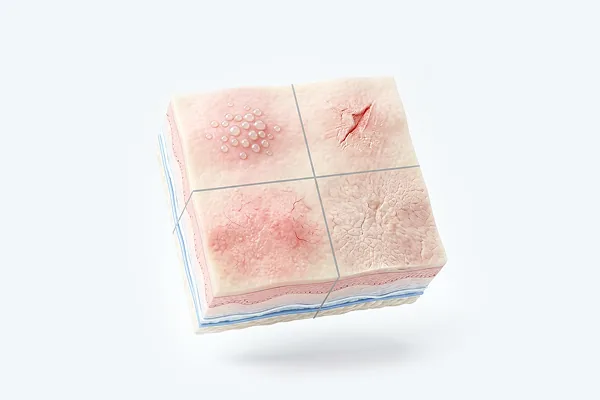
The procedure should be avoided if:
active inflammatory elements and infections in the treatment area;
active herpes;
open wounds and skin lesions;
active dermatitis, eczema, or severe rosacea flare-ups;
impaired wound healing;
predisposition to pathological scarring/keloids;
immunodeficiency conditions or immunosuppressive therapy;
blood clotting disorders or the use of anticoagulants;
pregnancy;
other conditions for which the doctor recommends postponing the procedure.
Only the necessary depth based on the condition
The intensity and depth of the punctures will vary to address different skin concerns.
Therefore, before the procedure, a Symmetrica specialist evaluates:
the issue being addressed;
skin thickness and condition;
protective barrier;
active inflammation;
sensitivity;
tendency toward pigmentation;
previous procedures;
expected result.
After that, the microneedling parameters and, if necessary, the active complex are determined.
The goal is to provide enough stimulation for skin renewal without unnecessary aggressive impact.
Cost
No.
procedure type
Price, UAH
No items found.
.webp)
















Frequently asked questions about hardware plasma therapy
When can I return to sports, the sauna, and the pool?
It is best to postpone intense workouts for 48 hours. We recommend avoiding saunas, steam rooms, hot baths, and swimming pools for at least 72 hours, or up to 5–7 days following deep microneedling, until the skin has fully recovered. This helps prevent irritation, overheating, and infection.
Does microneedling hurt?
Sensations depend on the area and depth of the treatment. You may feel tingling, warmth, or mild discomfort. To minimize discomfort, we apply a topical anesthetic cream for 10–20 minutes, making the procedure generally comfortable. Superficial microneedling can sometimes be performed without anesthesia.
Is there any bleeding after the procedure?
The reaction depends on the depth and intensity of the treatment. With deeper procedures, pinpoint bleeding may occur.
How long does the procedure take?
On average, the procedure takes 45–60 minutes, including skin cleansing, anesthesia, and the microneedling session itself. The skin treatment stage takes approximately 10–25 minutes.
How long is the recovery period?
After microneedling, you may experience redness, warmth, sensitivity, tightness, and dryness. The intensity and duration depend on the depth of the treatment and your skin's individual reaction.
When can I apply makeup?
We recommend waiting at least 24 hours before applying makeup, or 48 hours if you experience significant redness or sensitivity. It is important to use clean brushes or sponges and avoid applying cosmetics until your skin has calmed down and is completely healed.
When will I see results?
Initial changes in appearance may be noticeable once the skin has healed, but the full results of microneedling develop gradually. When addressing skin texture, post-acne marks, and signs of aging, it is best to evaluate progress over the following weeks.
How many sessions are required?
It depends on your goals, skin condition, and the intensity of the treatment.
Does microneedling help with post-acne marks?
Yes, primarily for atrophic post-acne scars, rather than active acne. The effectiveness of microneedling for atrophic acne scars is supported by systematic reviews of clinical studies.
Can microneedling be performed during active acne?
If there is an active inflammatory process, the procedure is usually postponed for the affected areas. The skin condition must be stabilized first, and only then can we address post-acne marks.
Which is better – microneedling or needle-free mesotherapy?
These procedures serve different purposes. Needle-free mesotherapy is primarily focused on delivering active ingredients without mechanical damage. Microneedling creates controlled micro-injuries to trigger skin remodeling processes. The choice depends on whether you need to focus on hydration and maintenance or on skin texture, post-acne marks, and structural changes.
THANK YOU FOR YOUR TRUST!
Find out what our patients think about the expertise of doctors and the quality of treatment at Symmetrica.
Read reviews and ratings on independent platforms to make sure the center has a high medical reputation.


Make an appointment TODAY
FOR EXAMINATION AND CONSULTATION
Book a consultation
Enter your details and we will contact you within 15 minutes
a specialist of the Center will contact you and provide all the necessary information
send a link to an electronic patient questionnaire that can be filled out remotely
a doctor's consultation lasts from 20 to 40 minutes and answers all your questions about dental health


