

All services


Leave your data
We will contact you within 5 minutes
Hardware plasma therapy at Symmetrica
Treating inflammation, reactivity, post-acne, and uneven skin texture using low-temperature plasma.
At Symmetrica, hardware plasma therapy is performed using the PlasmaSkin Pro Athera system. It allows for the selection of different types of plasma treatment depending on the specific issue being addressed.
The procedures are performed without the use of blood plasma. For each task, the specialist selects the appropriate attachment and operating parameters.
book a consultation
1
No blood plasma used
This is a hardware-based technique, not an injectable plasma lifting procedure.
2
Various attachments
A single device allows for the treatment of various skin conditions and concerns.
3
From inflammation to post-acne
You can first stabilize the skin and then move on to addressing its texture.
4
Personalized settings
The type of treatment and its intensity are tailored to the condition of your skin.
When to consider plasma therapy
Hardware plasma therapy is not limited to a single specific issue. Thanks to various attachments, a specialist can treat both inflamed and reactive skin, as well as post-acne concerns once the inflammatory process has stabilized.
This procedure may be considered for:

active inflammatory lesions;
tendency toward recurring breakouts;
excessive oiliness;
redness and reactivity;
slow healing after breakouts;
post-acne marks;
enlarged pores;
uneven texture;
localized scarring;
loss of elasticity.
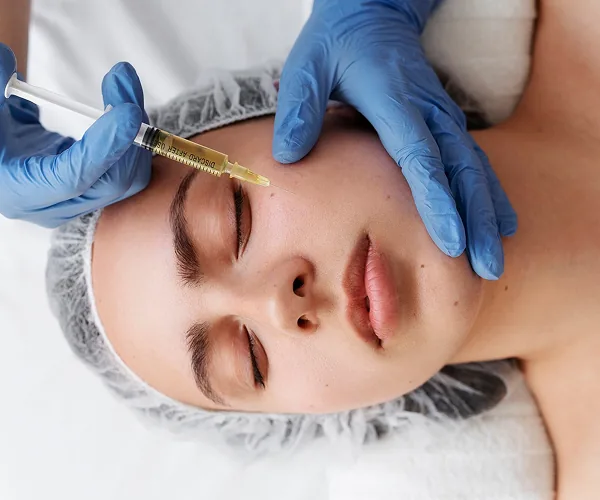
How PlasmaSkin Pro Athera treats various skin conditions
The PlasmaSkin Pro Athera comes with several attachments for different types of treatment. These include the plasma shower, microplasma thermolysis, sublimation, and the Athera tip.
Plasma shower
Delicate, broad-spectrum treatment for inflamed skin
Plasma shower provides uniform treatment over a large area without localized trauma. It can be used for:
active breakouts;
acne-prone skin;
excess oiliness;
redness and reactivity;
slow healing;
recurrent inflammatory lesions.
* This treatment does not require mechanical pressure on breakouts, punctures, or aggressive heating.
Athera attachment
Uniform barrier plasma treatment
Athera is a dedicated PlasmaSkin Pro Athera attachment that operates using barrier discharge technology.
The design, featuring an electrode matrix and a quartz dielectric, creates a uniform cloud of ionized plasma without direct electrical contact with the skin. This prevents local hot spots and allows for a more delicate treatment.
The attachment can be used when you need to:
work with reactive and sensitive skin;
reduce surface microbial load;
support the protective barrier;
manage excess oiliness;
supplement acne care;
prepare the skin for subsequent professional care steps.
Microplasma thermolysis
Addressing post-acne, pores, and uneven texture
Once active inflammation has been stabilized, you can proceed to more intensive texture correction.
Microplasma thermolysis creates fractional micro-zones of impact, leaving intact areas of skin in between. This triggers epidermal renewal processes and the remodeling of collagen structures.
The technique is used for:
atrophic post-acne scarring;
enlarged pores;
uneven micro-relief;
localized scarring;
post-acne marks;
uneven texture;
loss of elasticity.
* Thermolysis is performed after active inflammation has stabilized.
Plasma sublimation
Targeted correction of localized changes
Sublimation is used for targeted treatment of specific areas where broad application is not required.
It can be used to correct:
localized scarring;
irregularities;
specific areas of excess tissue;
age-related changes.
* After the procedure, redness, swelling, and small dark crusts may appear, which usually persist for about 5–7 days and fall off on their own.
First inflammation, then relief
STAGE 1
Active inflammation and reactivity
At this stage, the following may be used:
Plasma shower
Athera nozzle
Objective:
reduce microbial load;
support the skin during inflammation;
reduce reactivity;
support the protective barrier;
promote recovery.
STAGE 2
Post-acne and texture irregularities
Once the skin has stabilized, you can proceed to:
Microplasma thermolysis
Plasma sublimation
Objective:
treat post-acne marks;
reduce the appearance of scarring;
smooth out texture;
treat enlarged pores;
correct localized irregularities.
How plasma affects the skin
Plasma is an ionized gas containing reactive oxygen and nitrogen species, as well as charged particles.
With the right settings, plasma treatment can:
Reduce microbial load
Helps influence microorganisms associated with inflammatory processes.
Support anti-inflammatory processes
May influence signaling mechanisms associated with inflammation.
Support microcirculation
Helps create favorable conditions for tissue repair.
Support the protective barrier
Especially important for reactive and weakened skin.
Promote regeneration
Supports the natural renewal processes of the epidermis.
Plasma therapy for acne
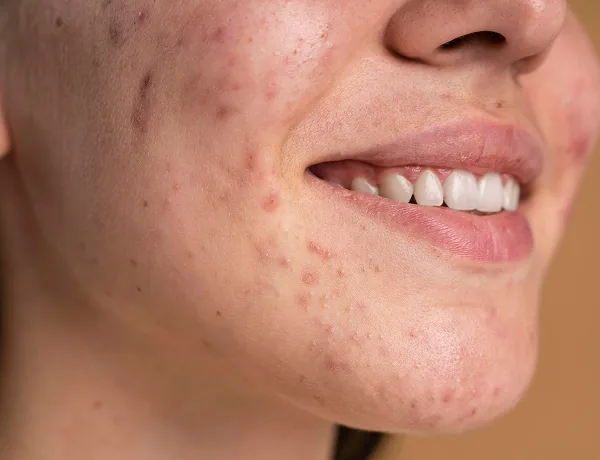
Acne is a multifactorial condition. Its development involves excessive sebum production, follicle blockage, the activity of the Cutibacterium acnes bacteria, and an inflammatory response.
Therefore, plasma therapy should not be presented as a procedure that replaces comprehensive treatment.
It can help to:
reduce surface microbial load;
support anti-inflammatory processes;
improve local microcirculation;
promote the healing of inflammatory lesions;
avoid additional mechanical trauma;
prepare the skin for subsequent post-acne treatment.
For moderate to severe acne, primary treatment is determined by a dermatologist. Hardware-based plasma therapy can complement medical therapy, but it does not replace it.
For sensitive and reactive skin
If the skin is highly reactive, it is not necessary to move to intensive techniques. A specialist may use a more delicate plasma treatment, such as a plasma shower or the Athera tip.
Before the procedure, the following are assessed:
condition of the protective barrier;
severity of redness;
active breakouts;
predisposition to pigmentation;
reaction to previous procedures;
dermatological history.
In cases of active dermatosis, the protocol is determined in consultation with a dermatologist. Thermolysis and sublimation are postponed until the skin has stabilized.
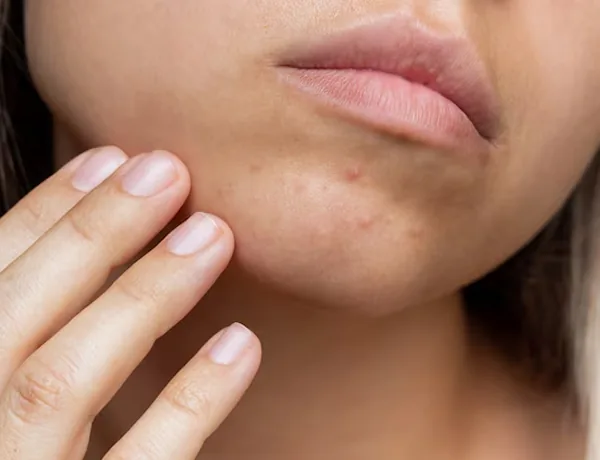
What changes to expect from plasma therapy
Depending on the tip used and the goal, plasma therapy can help:
Reduce signs of inflammation
Skin may appear calmer.
Reduce microbial load
Especially relevant for acne-prone skin.
Normalize the appearance of oily skin
Address excess oiliness and shine.
Support recovery
Help skin heal after breakouts.
Treat post-acne marks
After the active process has stabilized.
Smooth out texture
Address uneven skin texture and enlarged pores.
Reduce the appearance of scarring
Using more intensive tips.
Improve overall skin quality
By addressing its current needs in stages.
Is recovery needed
Recovery time depends on the specific tip and intensity used.
Plasma shower
Minimal reaction
Short-term redness may occur. Significant downtime is usually not required.
Athera
Gentle treatment
Barrier discharge ensures uniform treatment without local hot spots. Short-term redness is possible.
Microplasma thermolysis
Recovery period required
Redness, swelling, tightness, peeling, or small crusts may occur. Full recovery typically takes 3–10 days.
Plasma sublimation
Most noticeable recovery
Tiny crusts form at the treatment sites, which fall off on their own within 5–7 days.
How many procedures are needed
Procedure / attachment
Duration
Course
Interval
Price, UAH
Plasma shower
20–40 min
3–5
7–14 days
XX
Athera
20–40 min
3–5
7–14 days
XX
Microplasma thermolysis
30–60 min
1–3
4–6 weeks
XX
Plasma sublimation
30–60 min
1–3
4–8 weeks
XX
When the procedure should be postponed
Hardware plasma therapy is not performed or is postponed in cases of:
pregnancy and breastfeeding;
oncological diseases;
acute infectious diseases;
fever;
herpes and other active infections in the treatment area;
open wounds;
severe skin damage;
blood clotting disorders;
decompensated diabetes mellitus;
severe chronic diseases in the acute stage.
Important
For thermolysis and sublimation, a tendency toward keloid scarring is taken into account separately.
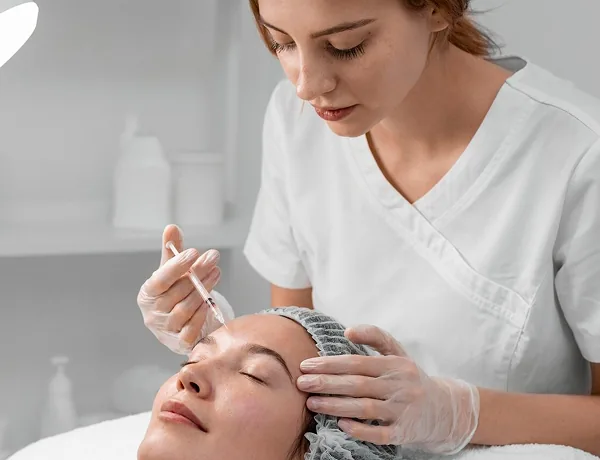
Not the strongest setting, but the one needed right now
One device gives the specialist several options for working with the skin. But this does not mean the patient needs the most intensive one. Before the procedure, the specialist evaluates:
level of inflammation;
sensitivity and reactivity;
condition of the protective barrier;
phototype;
tendency toward pigmentation;
presence of post-acne and scarring.
If inflammation is the main issue right now, the priority will be a more gentle approach. Once stabilized, we can move on to procedures focused on texture and post-acne marks.
The goal is to select a technique that matches the skin's condition at a specific stage.
Вартість
№
вид процедури
Ціна, грн
1
Плазмовий душ
1200
2
Athera
1650
3
Мікроплазмовий термоліз
2200
4
Плазмова сублімація
9900
.webp)







Frequently asked questions about hardware plasma therapy
Is this plasmolifting? Will you be drawing blood?
No. PlasmaSkin Pro Athera uses physical plasma, which is an ionized gas. There is no blood draw or use of blood plasma involved.
What is Athera?
Athera is one of the attachments for the PlasmaSkin Pro Athera device. It uses barrier plasma discharge technology to create a uniform plasma effect without direct electrical contact with the skin.
Is plasma therapy suitable for active acne?
Yes, provided there are appropriate indications, delicate attachments such as a plasma shower or Athera can be used. Thermolysis and sublimation are postponed until the inflammatory process has stabilized.
Does plasma therapy replace acne treatment?
No. For moderate to severe acne, the primary treatment is determined by a dermatologist. This clinical procedure can be used to complement your therapy.
Does plasma therapy help with post-acne?
Yes. Once active inflammation has stabilized, microplasma thermolysis or sublimation can be used to treat post-acne.
Is there a recovery period?
It depends on the attachment used. After gentle treatments, significant downtime is usually not required. Thermolysis and sublimation involve a more noticeable skin reaction and a recovery period.
How long does the procedure take?
It depends on the attachment used and the area being treated. The estimated time is 20–60 minutes, with the exact duration determined by the specialist for each individual procedure.
THANK YOU FOR YOUR TRUST!
Find out what our patients think about the expertise of doctors and the quality of treatment at Symmetrica.
Read reviews and ratings on independent platforms to make sure the center has a high medical reputation.


Make an appointment TODAY
FOR EXAMINATION AND CONSULTATION
Book a consultation
Enter your details and we will contact you within 15 minutes
a specialist of the Center will contact you and provide all the necessary information
send a link to an electronic patient questionnaire that can be filled out remotely
a doctor's consultation lasts from 20 to 40 minutes and answers all your questions about dental health


